The Saudi-UAE Throwdown
Relations between Saudi Arabia and the UAE have over the last week erupted into an incredibly nasty and heated conflict eerily reminiscent of their joint 2017 campaign against Qatar. The most immediate cause was an ill-advised bid by the UAE-backed STC to take control of several key Yemeni provinces which had been under nominal Saudi authority. After the UAE's allies appeared briefly to be on the brink of successfully declaring independence for South Yemen, Saudi Arabia suddenly pushed back hard – driving the UAE-backed leader into exile, taking over the Emirati stronghold in Aden and opening up the island of Socotra which the UAE had turned into a key naval base. (See Gregory Johnsen and Nadwa al-Dawsari's pieces for more on all this.)
The speed and thoroughness of the Saudi victory over the UAE is as stunning in its own way as was Israel's decapitation of Hezbollah last year. In a matter of days, the Saudis overturned more a decade's worth of the UAE's construction of a maritime regional empire from Aden down the Horn of Africa. It's difficult to parse out at this point whether the UAE has really abandoned Aden, Socotra and Puntland, but the setbacks are clear and dramatic. It is difficult to exaggerate how vitriolic the media campaigns and social media wars between supports of Saudi and UAE are right now (the cartoon below circulating on XTwitter is just one example). Pro-UAE voices denounce the Saudis for siding with the Muslim Brotherhood, Turkey and Qatar to promote Islamism and radicalism, while speculating wistfully about the prospects for a palace coup against MBS. Pro-Saudi voices denounce the UAE for its support for armed secessionist movements across the region - not just the STC, but also the RSF in Sudan, Hiftar's LNA in Libya, and (allegedly) Druze separatists in Syria. But the social media pyrotechnics and the ideological hyperbole is only part of the story – in fact, something much bigger and much deeper is going on.
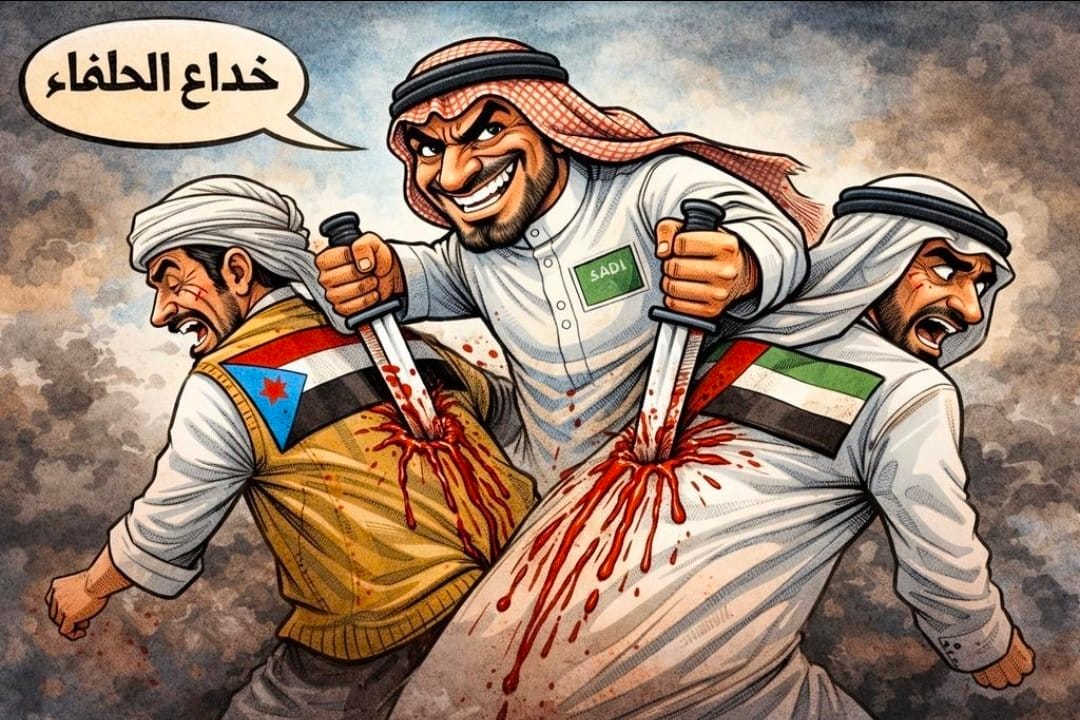
As I explain in a new piece for Foreign Policy this morning, this is not just a local spat among Gulf monarchs and it's not just about Yemen. I argue that what we are seeing is, in fact, the manifestation of a balancing coalition against not just the UAE but against Israel and its increasingly reckless attacks across the region (the one in Doha the most egregious from a Saudi perspective, its undermining of the new Syrian regime Riyadh supports the most dangerous). The trigger was likely not just the STC's advances in Yemen, but also Israel's recognition of Somaliland – a move which could have given the UAE license to expand its military basing to give it a dominant position over Red Sea shipping (I recommend a recent book and articles by Federico Donnelli on the geopolitics of the Red Sea region for broader perspective on this).
The broader context is the UAE's doubling down on the Abraham Accords alliance with Israel despite Gaza and everything else, and Saudi ambitions for regional leadership. In response, Saudi Arabia now appears to have secured the support of the rest of the Gulf, got Egypt on board, reached out to Turkey (including a reported invitation for Ankara rather than the UAE to take the lead in Gaza), accelerated the strategic dialogue with Pakistan, and warned other states against recognizing Somaliland. Presumably, this power move will aim to force smaller states to choose sides, something smaller states typically don't want to do. It is far from accomplished of course – talk is cheap, the Gulf regimes have a way of kissing and making up after these spats (as Qatar did smoothly in 2021), and developments in Iran could radically upend everything.
It's telling that nobody has the slightest idea what American policy is on this potentially seismic shift if Middle Eastern regional order. The chaotic, dysfunctional Trump administration is focused on other things, like the insane abduction of Venezuala's president and claiming of its oil, the even more insane threats to seize Greenland, and the abrupt withdrawal from some 66 international organizations. Trump has close ties to both the UAE and Saudi Arabia, since both have plenty of money with which to bribe Trump. Its Middle East foreign policy agenda, such as it is, seems to be aligned with the UAE-Israel axis and the broader Israeli ambitions for regional hegemony, and Trump just heard Netanyahu's pitch for another round of airstrikes on Iran, but the Saudi Foreign Minister came away from a quick trip to Washington seemingly satisfied. Where Trump's White House really stands on this regional reordering – or if anyone is even paying attention – is anyone's guess.
Here's how my Foreign Policy piece frames it:
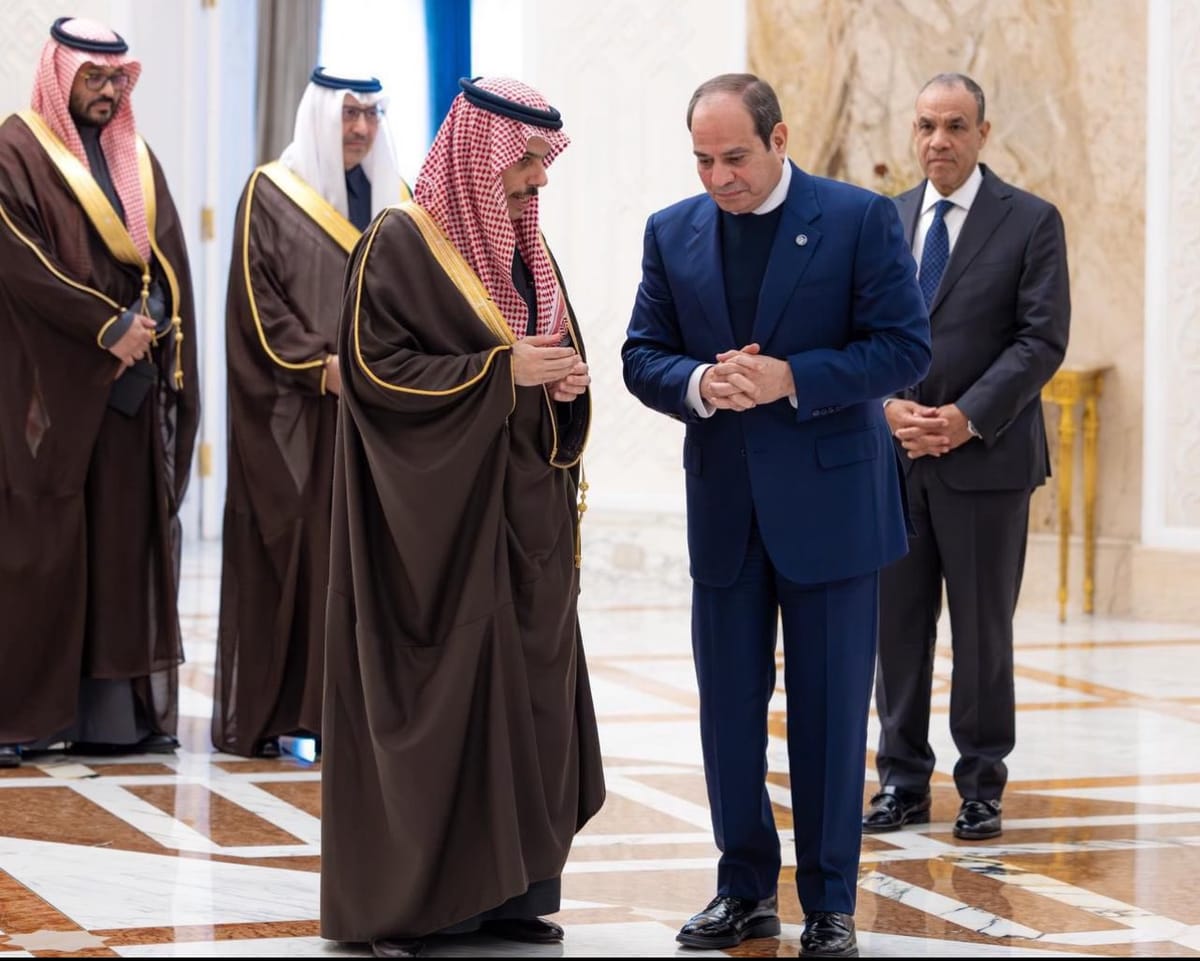
The stakes this time are just as high. The confrontation is about more than Yemen. And it’s more than just an ordinary squabble among Gulf allies. The Saudi move against the UAE represents not just an effort to restrain Emirati adventurism but to balance against an increasingly reckless and threatening Israel. The potential regional alignment lines were laid out clearly by the Saudi foreign minister’s sudden trip to Cairo, where Egyptian officials affirmed their total support for Riyadh’s views on Libya and Sudan after more than a decade of closer alignment with and economic dependence on the UAE.
That’s a dramatic shift in regional order—and one that puts the region at a crossroads at a moment when Iran is reeling from another wave of domestic protests and when the United States’ role remains unclear.
Read the whole thing here (no paywall).