Yemen and the transregional Saudi-UAE conflict
I am currently at the CUNY Graduate Center in New York for a fantastic workshop on Sudan organized by the Program on African Social Research bringing together a genuinely spectacular group of more than a dozen scholars of and from Sudan. We are trying to take stock of Sudan's wars, the legacies and failures of the civil revolution, and the ruinous external interventions – most destructively those by the United Arab Emirates and its support for the RSF. More soon on the publication(s) to emerge from the conversations. This is probably the final event for PASR under the leadership of Zachariah Mampilly, Hisham Aidi, and me; the generous support we received from the Andrew Carnegie Foundation is coming to an end. It's a fitting topic to end with, one which figured prominently in our very first workshop back in February 2020 and which exemplifies the transregional approach to Africa and the Middle East for which PASR and POMEPS have long advocated (Africa and the Middle East, Racial Formations, Race and Colonial Legacies, North Africa and the Sahel).
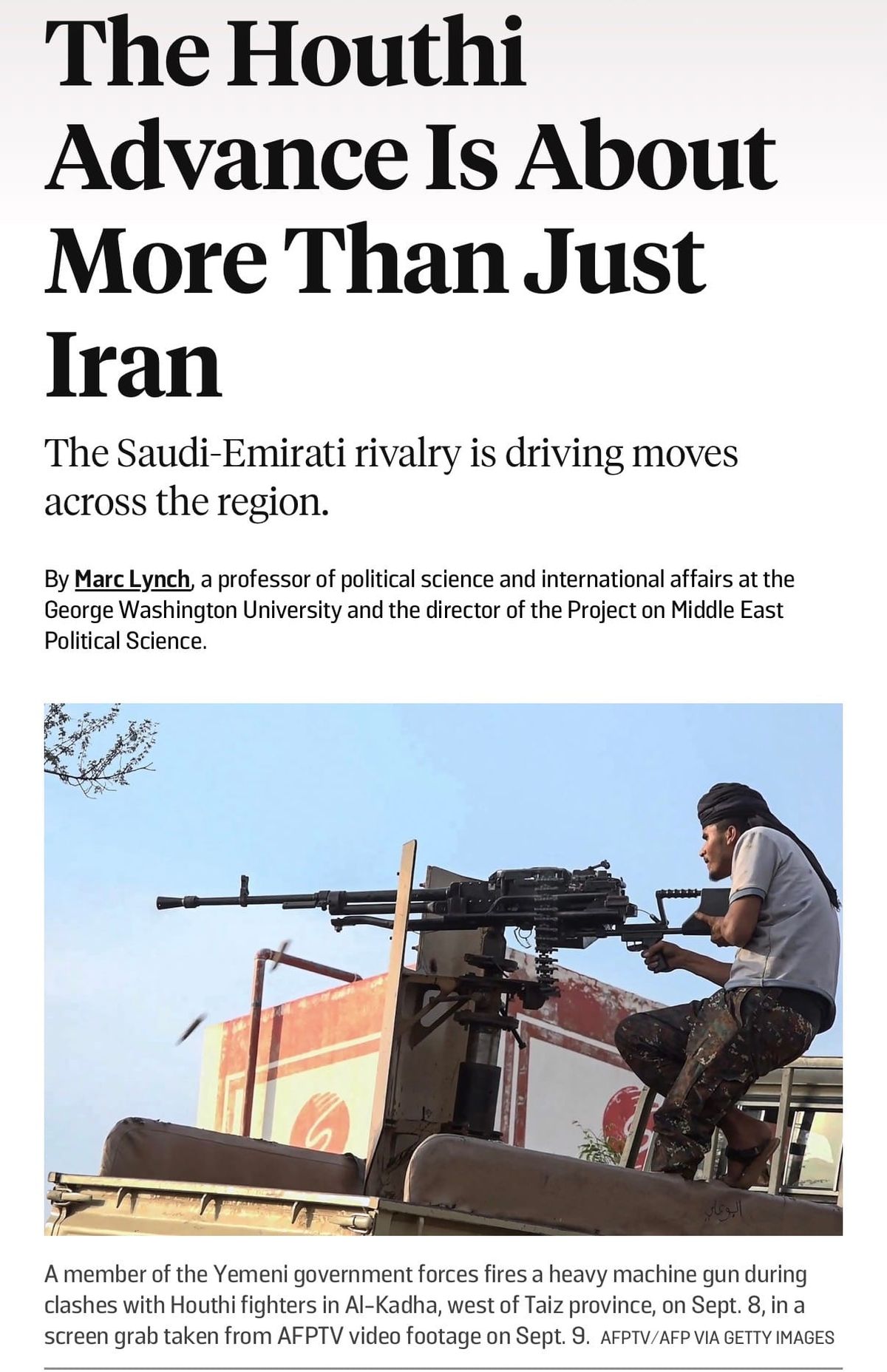
Discussions of Sudan's war at the intersection of Africa and the Middle East tresonates powerfully with my new Foreign Policy piece which tries to connect the Houthi offensive in Yemen to seize a controlling position over the Bab al-Mandab with three broader forces shaping regional politics: "the failure of the United States to defeat Iran or protect its Arab allies, the Saudi-Emirati conflict, and the rapid erosion of the artificial divides between the Middle East and Africa." I argue that the Houthi offensive is not simply in the service of Iran's strategy against the United States, though it does very dramatically escalate pressure on oil shipments and the global economy. Nor is it only about the local ongoing war with Saudi Arabia, which reignited a few months ago when the Saudis bombed the Sanaa airport, though it is of course very much about that.
I argue that the Houthis were also responding to "the potential transregionalization of the conflict.... Israel’s recognition of Somaliland, and rumored covert deployments on the ground, could potentially bring Israeli, Emirati, and even U.S. forces directly to the other side of the strait to contest control and serve as a base for counterstrikes into Yemen." The UAE's role here is key – and connects what's happening in Yemen to Algeria's dramatic severing of diplomatic relations with the UAE, the upgrading of Morocco's relations with Israel and US reaffirmations of its recognition of Moroccan sovereignty over Western Sahara, Eritrea's fiery denunciation of the UAE's "port imperialism", and the growing scrutiny of the UAE's destructive support for the brutal RSF in Sudan.
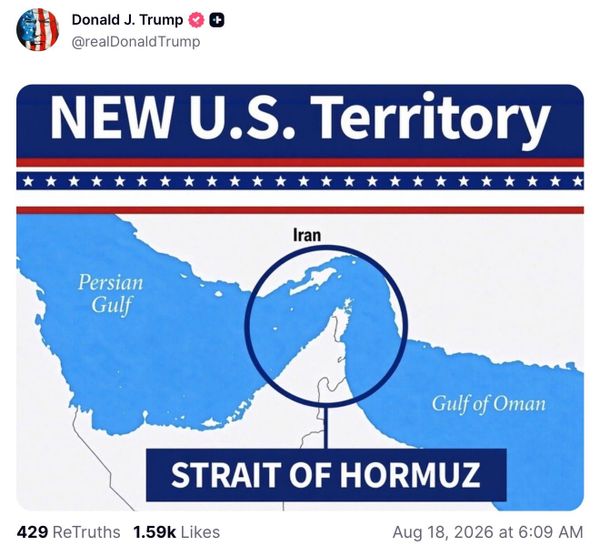
The article also looks at Saudi Arabia's strategic dilemma. The Houthi advance, combined with the drone strikes which damaged the East-West pipeline, exposed the shallowness of the Saudi strategy in Yemen – and the ongoing fallout of its December expulsion of the UAE (which is no doubt relishing the chance for payback). It also demonstrated plainly how premature the triumphal narrative had been about the declining importance of the Straits of Hormuz and the ease of circumventing Iran's blockade. And, even more, it highlighted the limitations of Saudi alliances – Trump reportedly declining MBS's requests for military support and new Mecca Pact allies Pakistan and Turkey refusing to help.
I conclude: "All this points to a Middle East map that is bigger than the one U.S. policymakers tend to hold in their heads, with countries across North and East Africa advancing their own alliances and interests in ways that stubbornly refuse to follow the traditional lines of Middle Eastern politics." These are points I've been making for a few years now; their importance has rarely been more urgent or clear. Read the whole piece here.
I will be speaking at the Elliott School on Wednesday, 9/23, at 1:00 on a panel with Gregory Gause and Suzanne Maloney using each of our recent articles in Foreign Affairs to talk about the extent to which the Iran war has generated lasting structural change in the Middle East. If you're in DC, please come by for what should be a really interesting and lively discussion; RSVP here. Gause and I will reprise that discussion, along with my former colleague Elizabeth Saunders, the afternoon of Monday (September 28) in an online conversation with Shibley Telhami at the University of Maryland's Anwar Sadat Forum; Zoom and RSVP link available soon.