Iraq Through the Archives
This Must Be the Podcast: Samuel Helfont
I'm supposed to be writing a piece about the US-Iran deal, and finding it a bit challenging. Nobody seems to have seen the actual text of the agreement. American and Iranian descriptions of the agreement are diametrically opposed on all the core issues. Most of the reported details thus far do seem to suggest a fairly comprehensive Iranian victory, but it's hard to separate spin from reality without seeing the actual agreement. Maybe some cash has already changed hands via the UAE, maybe there's a much larger payoff on the way to Iran – or not. Maybe the Straits will reopen completely, maybe Iran will have its tollbooth, maybe they will close again the moment there's another flareup. Israeli anger seems to suggest the deal skews in Iran's favor, but Israel would be angered by any deal with Iran so that's not really the clue it seems.
So at this point, I guess my main thought is that none of it really matters. It's definitely better to have a ceasefire deal than the massive bombing Trump was threatening a few days ago, but it's all temporary. Whatever the text of the deal, it's unlikely to hold up for long. "Ceasefires" never seem to actually cease Israeli or US firing. Israel has made clear that it's going to keep bombing Lebanon whenever it likes, and Iran too for that matter. Trump seems no more likely than Biden was to actually pressure Israel to get with the program. It doesn't seem likely that 60 days (the reported length of the negotiation period to follow the ceasefire) will be enough to renegotiate a weaker version of the JCPOA, or that either party really wants one. Iran retains the ability to close the Straits of Hormuz when the ceasefire is broken or negotiations break down. So the deal, whatever that deal might be, is more of a pause, with hot war potentially resurgent at any moment and with all parties in the region forced to plan for that eventuality. Welcome to the Warscape.
In the meantime, at least the World Cup has begun. To be very clear, the World Cup should absolutely have been relocated out of the United States because of American visa restrictions and systematic abuse of visitors, immigrants legal or otherwise, and everyone else ICE decides to abuse. The treatment of the Iranian team is just appalling. Just imagine, some people thought the US would be a safer choice for the Cup than autocracies like Russia or Qatar. Not. At any rate, it's pretty impossible to not watch now. I'm cheering for all the MENA countries – a record number of which are appearing in this round. A team of scholars at the GIGA including Andre Bank, Idriss Jebari, Eckart Woertz and Hamid Talebian has released a really useful overview of the teams and what you need to know – highly recommended!
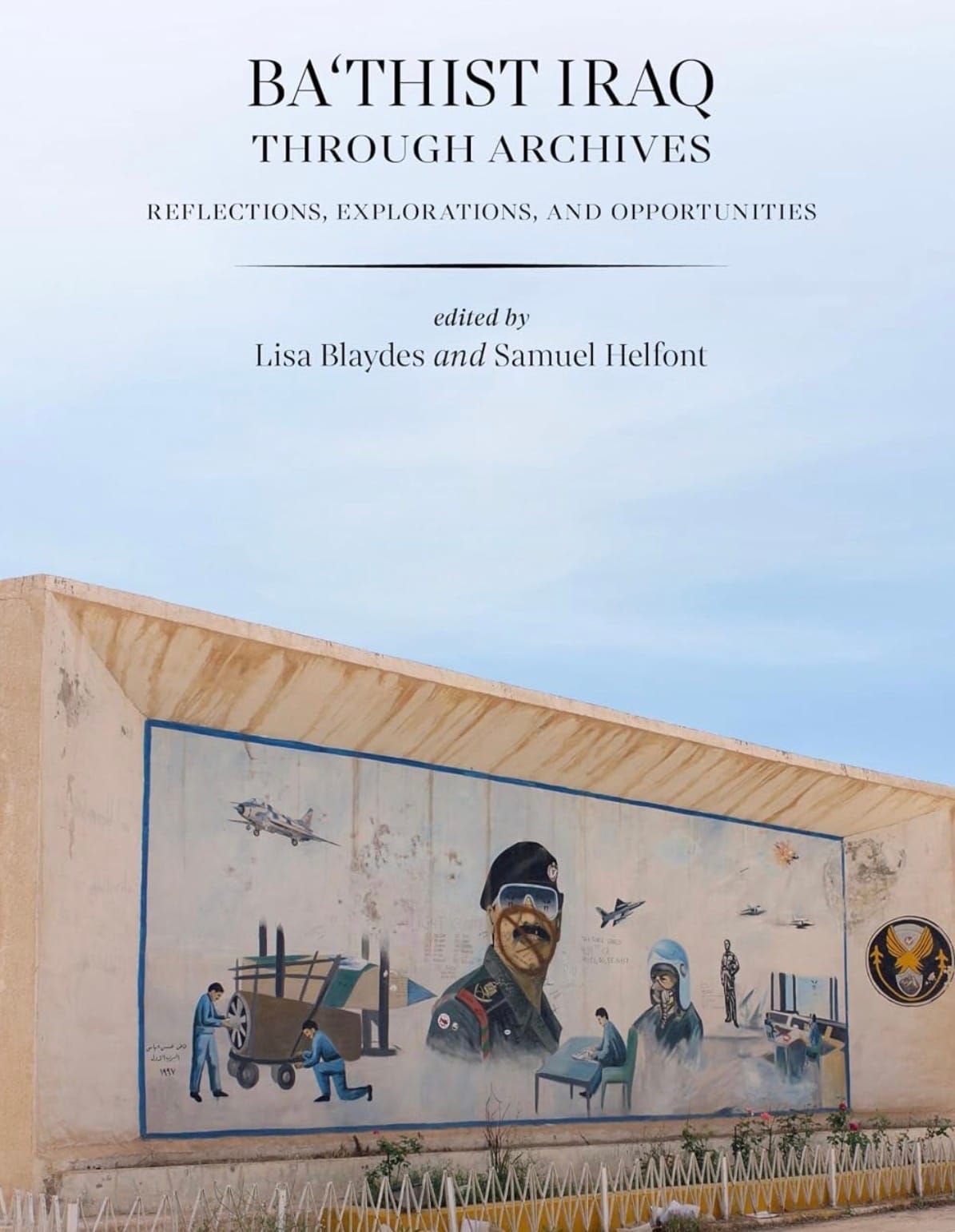
And now, to the main point of today's post: last week's podcast with Samuel Helfont about a fascinating new book he edited with Lisa Blaydes (who couldn't make the recording, unfortunately) called Ba'athist Iraq Through Archives (Stanford University Press, 2026). The book brings together a remarkable number of scholars who have worked with the various documents captured by the United States during the invasion and occupation of Iraq, including the Ba'ath Party archives and the collection of recordings from Saddam Hussein's cabinet meetings. While there are ethical concerns about the archive (discussed by Marsin Alshamary and Shamiran Mako in one of the opening chapters) and problems for social science researchers (discussed by David Patel), it's indisputable that these archives offer unique and unprecedented access to the operations of a key Arab autocratic regime. The archives have already underpinned fantastic books by Helfont, Blaydes, Joseph Sassoon, Alissa Walter, Dina Khoury, and so many more. It's a great time for stock-taking and for critical engagement with the scholarly production from the archives.
Listen to my conversation with Sam Helfont here:
Back soon with more from the MENA Academy!